How Do IFS Practitioners Get Their First Clients?
Oct 01, 2026
Most people who ask me this have just finished a training. They know the model, they have practiced on themselves and on a few willing friends, and they have no idea how a stranger is supposed to end up in their calendar. There is a real gap between being able to do the work and having someone to do it with, and no training I know of covers it.
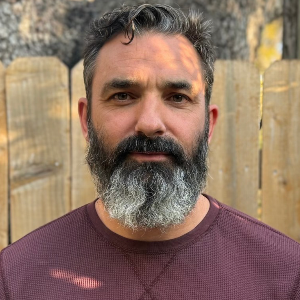
My name is Conor McMillen. I was trained by the IFS Institute in 2014 and I have practiced IFS daily since. I built my own practice from nothing starting that same year. I took donations for the first year because I did not know what else to charge, and I learned the business side slowly, mostly by getting it wrong. Here is what worked, and what I would skip if I were starting again. (If you are not trained yet, that is a different question, and I have written out the path to becoming an IFS practitioner separately.)
First: why the first few are the hardest
The first client is hard for three reasons, and none of them is about your skill with the model.
Nobody can refer you yet. Nothing you have written has had time to rank. You have no way to show a stranger what working with you is like. Every suggestion below solves one of those three problems, and it helps to know which one you are solving at any given moment, because the fix for "nobody knows me" is not the fix for "nobody can find me."
Start with the people who already know you
Your first three to five clients almost always come out of your existing life. Not strangers. People who already trust you, or people one step away from them.
The move here is small and specific: tell people plainly what you are doing now, and tell them who it is for. "I'm doing IFS coaching" gives someone nothing to do with the information. "I'm working with people who get stuck in the same argument with their partner over and over" gives them a face to think of.
I want to say clearly that this is not beneath you and it is not a sign that something has gone wrong. Word of mouth stays the strongest channel for this work for years, not months. Most of my own early clients came from someone telling someone else.
Say one specific thing instead of five general ones
The most common thing I see on a new practitioner's website is a list: anxiety, depression, trauma, relationships, life transitions, self-esteem, grief. It is accurate. Every one of those is work you can do. It is also the reason nobody reaches out, because the person reading it cannot tell whether you understand their particular situation.
One specific sentence outperforms a complete list. "Parts work for adults who grew up with an alcoholic parent" will bring you more calls than a page covering everything, even though it describes less.
This feels like turning work away, and in a narrow sense it is. What it does in practice is make you the obvious choice for a smaller group instead of a possible choice for a large one. I have written more about whether you need a niche and how to find yours.
Put up something a stranger can find
You need a place that exists when you are asleep. It does not have to be impressive. Four pages does it: who you work with and what you help them with, what a session is like, who you are and how you trained, and a way to get in touch that is not a long form. I have broken down what a practice website actually needs page by page.
Two things people skip that cost them real clients. Put your location and whether you work online somewhere obvious, because a lot of people are searching with a city attached. And make the booking step short. Every extra field loses people who were otherwise ready.
If you would rather have this built than build it, that is work I do with practitioners. Either way, having something up beats having something perfect later.
Get listed where people are already looking
Directory listings work because they put you in front of people at the exact moment they are searching, which is something your own new site cannot do yet.
What is available depends on your credentials, and the gates are not always where people assume. Psychology Today leans toward licensed providers but reviews unlicensed practitioners case by case, so it is worth applying rather than ruling yourself out. The IFS Institute's own directory is open to anyone who has completed their Level 1 training, with priority placement for those holding their certification. Several of the large therapist directories do require a license, or pre-licensed status under supervision, which closes them to coaches. If you are certified through my Self-Led Coaching Academy, you can be listed on the Self-Led Certification Registry at no cost, and that listing also sends a link back to your own site, which helps your site rank over time.
Fill the profile out completely. Half-finished listings get passed over, and the fix takes twenty minutes. I have gone through which directories are open to whom, and how to write a profile that gets clicked, in more detail.
Write the thing you explain most often
Pay attention to what you find yourself saying to client after client. That is your first piece of content, and it is already written in your head.
This is slower than the other suggestions and it compounds, which is a different shape of return. A page I wrote explaining the six Fs still brings people to me years later. You do not need many. Four or five pieces that answer a question your people are searching is more useful than forty posts about parts work in general. If search is the part you want to understand, I have written about why clients cannot find you on Google and what to do about it.
What about what to charge?
It depends on what you can legally offer and how you are positioned, and it is enough of its own question that I wrote it up separately. The short version is that there is more room than most new practitioners assume. I have covered the scope question and what you can charge for without a license in detail.
For the first few clients specifically: pick a number you can say out loud without your voice changing, and raise it after the first handful. I started on donations, which I would not recommend, though it did get me experience quickly.
The part that does not want to be seen
This is where most of it stalls, and it is not a marketing problem.
You will write the page and not publish it. You will decide the photo is wrong. You will plan to reach out to the five people on your list and then clean the kitchen instead. Somewhere in there is a part that has a reason for keeping you out of view, and it is usually a good reason, built from something that happened a long time ago.
You already know what to do with that, which is the part I find interesting about teaching this to IFS practitioners. You can turn toward it with the same calm, curious, compassionate attention you would bring to a client's protector, and ask what it is worried about before you try to push through it. In my own system there is a part that is certain anything I publish is not ready. It still shows up. It just does not drive anymore.
A little bit is a whole lot more than zero here. Publishing the imperfect page and telling three people this week does more for your practice than a month of planning.
How long does this take?
My accurate answer is longer than you want and shorter than you fear. Several months to get to a steady few clients a week, mostly from people you know. Six to twelve months before search starts sending you anyone at all, and only if you have put pages up for it to find.
I have not met anyone who did this quickly. I have met a lot of people who did it steadily, and steady is what works.
Common questions
Do I need a certification before I take clients?
Legally, that depends on where you are in the world and on what you call yourself. I have written up whether it is legal to coach with IFS without a therapy license in detail. In practice, what people want to know is who trained you and how long you have practiced. Say both plainly and let them decide.
Should I offer free sessions to get started?
A small number, with a clear end point, to get experience and to learn what people actually ask for. Open-ended free work tends to continue indefinitely, and it is hard to move someone to paying later.
What if I don't have a niche yet?
Start anyway. Most practitioners find their niche by noticing which clients they do their best work with, which only happens after some clients. Pick the most specific thing you can say today and change it when you know more.
Is social media worth it?
For some people. It rewards consistency over months, and it is rented ground, so I would get the site and a listing up first. If you enjoy posting, it works. If you dread it, there are better uses of the same hour.
All the best,
Conor McMillen
Take this work deeper
A 30-day Self-Led IFS practice you live with for months
The Complete Self-Led IFS Program — videos, audio, written exercises, guided meditations, and a 274-page companion workbook. Two aims, learned one day at a time: feel your feelings more deeply, and build the calm, curious, compassionate Self energy that leads your parts. $249, or 3 monthly payments of $99. Yours forever.
Get the free guided IFS meditation
If you'd like to experience IFS for yourself rather than just read about it, my free guided meditation is a gentle place to start — dropping in and meeting your parts with calm, curiosity, and compassion. Sign up below and it's yours.
I'll never share your information, and you can unsubscribe anytime.
We don't like SPAM either. We will never sell your information, for any reason.
Author