What Does an IFS Practice Website Actually Need?
Oct 01, 2026
Practitioners ask me this expecting a longer answer than the one I give. Most of what gets sold as a website build is more than you need, and the parts that matter are boring enough that nobody leads with them.
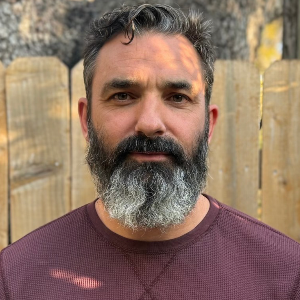
My name is Conor McMillen. I was trained by the IFS Institute in 2014. I have built every page of my own site and I do its SEO myself, which means I have made most of these mistakes on my own time rather than on a client's.
One thing before the list: a website cannot decide who it is talking to. If you have not settled who you work with and what you help them with, build that first. A beautiful site aimed at nobody in particular is the most common expensive mistake in this field.
Four pages do the work
Home. Who you work with, what changes, and one way to get in touch.
A page about the work itself. What a session is actually like, start to finish. People book when they can picture the hour.
About. Who you are, how you trained, and why you do this.
Contact or booking. One short step. Not a form with fourteen fields.
That is a complete practice website. Everything else is optional, and two optional pages are worth adding once you have the four: a page for each distinct offer if you have more than one, and a page answering the questions you get asked before every first session.
What goes on the home page, in order
The order matters more than the wording, because most people decide within a few seconds of scrolling.
Start with a line that names who it is for. Not your credentials, not your philosophy. "IFS coaching for people who grew up walking on eggshells" tells a stranger more than three paragraphs about multiplicity.
Then one short paragraph on what is different after the work. Specific and modest. Not transformation language.
Then what a session is like, or a link to the page that covers it.
Then who you are, in two or three sentences, with your training named plainly.
Then the same single call to action you had at the top. One action, repeated, beats four competing ones.
Your about page will probably outrank everything else
This is the part practitioners get backwards. The about page gets treated as an obligation, something to fill in after the real pages are done.
On my own site it is the page that ranks best. In September it averaged position 5.3 across 415 impressions and brought in 41 visits, converting at just under ten percent, which is better than anything else I have written including posts I worked much harder on.
The reason is simple enough: people search for a person, and people decide about a person before they decide about a method. Write it for the one who is sitting there weighing whether to trust you with something difficult. Name your training and when you did it. Say what you have practiced and for how long. Include a photograph of your face. Say something true about why this work rather than another kind.
What to leave off
A blog you will not keep up. Three posts from eighteen months ago reads worse than no blog.
Stock photography of cupped hands, lotus flowers, and silhouettes on clifftops. Everyone in this field uses the same twelve images and they all now read as filler.
A long intake form standing between a stranger and a first conversation. Ask for a name, an email, and one open question. Collect the rest after they are in.
A services page that lists modalities. "IFS, somatic work, mindfulness, breathwork, EMDR-informed" tells a client nothing they can act on. Lead with their situation and let the methods come up later.
Chat widgets. You will not be there, and an unanswered chat bubble is worse than none.
The technical things that actually matter
Short list, and all of it is either free or already in your builder.
It has to load fast on a phone, because most of your visitors are on one.
Every page needs its own real title. "Home" is a wasted title tag, and the title is the single strongest on-page signal you control.
Say where you are and whether you work online. A lot of searching happens with a city attached, and practitioners leave this off constantly.
One obvious next step per page.
A working booking path in two clicks or fewer, tested on your own phone, not just on your laptop.
If you want to see how I put this together, my own one-on-one IFS sessions page is the current version of it, including the parts I would change.
The platform matters less than you think
Any of the mainstream builders will do everything above. The difference between them is how much you enjoy using them, which matters only because the site you can update is the one that stays current.
What does matter is that you own the domain and can move the site if you ever want to. Domain in your name, at a registrar you control, with the login somewhere you can find it.
How long should this take?
A first version in a weekend if you have decided who it is for. A few weeks if you are deciding while you build, which is the slower and more common path.
Publishing something plain this month puts you ahead of waiting six months for something polished. A page that exists can be improved. Search cannot find a page you are still planning.
If you would rather hand the whole thing over, building practitioner sites is part of what I do, usually alongside the niche work, because the two decisions are really one decision.
Common questions
Do I need a blog?
Only if you will write. Four or five pages answering what your people search is worth more than a feed you abandon. If you do write, write the thing you explain to every new client.
Should I put my prices on the site?
There are arguments both ways and I do not think it is a big lever. I leave mine off and discuss cost on a first call, because I price per person. If your pricing is simple and fixed, publishing it saves everyone a step.
Do I need to be certified before putting up a site?
No. Say accurately what training you have and what you call yourself, which varies by where you are in the world. I have written up what is legal without a therapy license separately.
What about a booking system?
Worth it as soon as you have more than a handful of clients. Before that, a short form and a reply from you is fine, and it is warmer.
Will a website bring me clients on its own?
Not at first, and not for months. Your early clients come from people who already know you. The site is what makes you findable later and what makes you look real to someone a friend has just recommended you to.
All the best,
Conor McMillen
Take this work deeper
A 30-day Self-Led IFS practice you live with for months
The Complete Self-Led IFS Program — videos, audio, written exercises, guided meditations, and a 274-page companion workbook. Two aims, learned one day at a time: feel your feelings more deeply, and build the calm, curious, compassionate Self energy that leads your parts. $249, or 3 monthly payments of $99. Yours forever.
Get the free guided IFS meditation
If you'd like to experience IFS for yourself rather than just read about it, my free guided meditation is a gentle place to start — dropping in and meeting your parts with calm, curiosity, and compassion. Sign up below and it's yours.
I'll never share your information, and you can unsubscribe anytime.
We don't like SPAM either. We will never sell your information, for any reason.
Author