Do You Need a Niche as an IFS Practitioner?
Oct 01, 2026
This comes up with almost every practitioner I talk to, and it usually arrives as resistance rather than a question. Someone has been told they need to niche down, it felt wrong, and they want to know whether they can skip it.
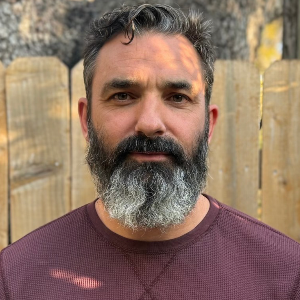
My name is Conor McMillen. I was trained by the IFS Institute in 2014, I have practiced IFS daily since, and I have been building my own business online for the same twelve years. My short answer is yes, you need one, though probably not in the way you have heard it put.
Why this is harder for IFS practitioners than for other coaches
The objection most practitioners raise is a good one, so I want to grant it before I argue with it. The model really is universal. Parts work helps a grieving widow, a burned-out nurse, a teenager who will not come out of his room, and a founder who cannot stop working. You have seen it hold in situations that look nothing like each other. Narrowing your description to one of them feels inaccurate, like pretending the work is smaller than it is.
That objection is right about the work. It is wrong about the webpage. The page is not a claim about the limits of IFS. It is a claim about who you are talking to right now.
What a niche actually decides
A niche decides who your words are aimed at. It does not decide who you accept.
Nobody gets turned away by a page that speaks to someone else. If a person arrives who is nothing like your described client and wants to work with you, you work with them. Nothing about having a niche stops that. What changes is that the people who do match now recognize themselves in about four seconds instead of reading a list and wondering.
Three things a niche can be built on
Who they are. New mothers, veterans, people a year into sobriety, men in their fifties.
What they are dealing with. The same fight with a partner on repeat, a critic that will not quiet down, panic every Sunday night.
What they want. To stop snapping at their kids. To make the decision they have been avoiding for two years.
Most practitioners reach for the first one, because it is the easiest to name. The second and third usually work better, because they are closer to the words people actually type into a search bar and say out loud to a friend.
How to find yours without guessing
Four places to look, none of which involve brainstorming.
Look at the sessions that went best. Not the dramatic ones. The ones where you felt most useful and least like you were reaching.
Look at what people already bring you before you have advertised anything. If three people in a row have come to you about their mother, that is information.
Look at your own history. A lot of practitioners end up most useful to people in a situation they have already been through themselves, and they are often the last to notice it.
Ask five people you have worked with what they would say about you to a friend. Their words will be plainer and better than yours.
For what it is worth, I teach people to do IFS on themselves. That is narrower than IFS, and it is the reason most people who find me already know what they are looking for.
How specific is too specific?
There are two tests, and a niche needs to pass both.
Can a reader recognize themselves immediately? If they have to work out whether you mean them, it is too broad.
Can you picture a few hundred of them, and name where they already gather? If you cannot think of a single group, forum, podcast, or search phrase where these people are, it is too narrow to reach, however precise it sounds.
Most practitioners err far on the broad side, so if you are unsure, go narrower than feels comfortable and watch what happens.
What changes once you pick one
Your home page headline. The sentence you say when someone asks what you do. What you write about. Which directories, groups, and conversations are worth your hours.
Referrals change the most, and this is the part people underestimate. "She does IFS coaching" does not get repeated, because the person hearing it has nobody specific to attach it to. "She works with people who grew up with an alcoholic parent" gets repeated the next time that subject comes up at dinner.
This is the first thing I work on with practitioners, before any website or SEO, because everything downstream of it gets easier or harder depending on what you decide here. If you want help landing it, that is the work.
The part that does not want to choose
Most of the time this is not indecision, and treating it as a decision-making problem does not move it.
There is often a part keeping every option open, and it has a reason. Sometimes it is protecting against being boxed into something you will resent. Sometimes it is protecting against being wrong where people can see. Sometimes it watched somebody commit to one thing and lose.
You know how to do this part. Turn toward it with the same calm, curious, compassionate attention you would bring to a client's protector, and ask what it thinks happens if you pick. Then tell it the accurate thing, which is that a niche is a sentence on a page and you can rewrite the sentence whenever you want. That is usually what it needs to hear before it will let you move.
Can you change it later?
Yes, and most people do. My own positioning took years to arrive where it is, and it moved more than once on the way.
The cost of changing is a page rewrite and some patience while search catches up with you. The cost of staying vague is that nobody can tell whether to contact you. The second one is more expensive, and it keeps charging you every month.
Common questions
What if I genuinely like working with everyone?
Then keep working with everyone. This is about what your pages say, not about who you let in the door. Most practitioners with a clear niche have a caseload broader than their website suggests.
Do I have to put it in my business name?
No, and I would not. Names are expensive to change and niches are not. Keep the name flexible and let the headline carry the specificity.
What if I pick wrong?
You will find out within a few months, from who contacts you and who does not, and then you will know something you could not have guessed from a blank page. Picking wrong and correcting is faster than waiting to be sure.
Isn't this just marketing language?
It starts as a decision about who you are most useful to, which is a question about your actual work. The marketing is what happens after you answer it. If the answer is only ever marketing, it tends to show.
Do I need a niche before I take my first clients?
No. Your first few clients come from people who already know you, and they are not reading your website. The niche matters most for the people who have never met you.
All the best,
Conor McMillen
Take this work deeper
A 30-day Self-Led IFS practice you live with for months
The Complete Self-Led IFS Program — videos, audio, written exercises, guided meditations, and a 274-page companion workbook. Two aims, learned one day at a time: feel your feelings more deeply, and build the calm, curious, compassionate Self energy that leads your parts. $249, or 3 monthly payments of $99. Yours forever.
Get the free guided IFS meditation
If you'd like to experience IFS for yourself rather than just read about it, my free guided meditation is a gentle place to start — dropping in and meeting your parts with calm, curiosity, and compassion. Sign up below and it's yours.
I'll never share your information, and you can unsubscribe anytime.
We don't like SPAM either. We will never sell your information, for any reason.
Author