My Response to "The Truth About IFS: The Therapy That Can Break You" – Weighing the Dangers of IFS and Benefits of Safe Self-Led Therapy

Feb 20, 2026
Conor McMillen responds to Controversial Article on IFS


My Response

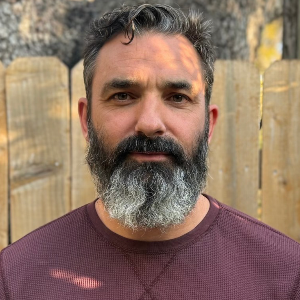
As someone who's spent over a decade in the Internal Family Systems (IFS) world, I often get questions about its risks and rewards. I'm Conor McMillen, and I've helped countless people explore self-led therapy through the IFS model. I also train coaches in blending IFS with practical coaching techniques. My Complete Self-Led IFS Program has guided many on their personal journeys, and it all started for me when I discovered IFS, applied it to myself, and saw real changes. I trained at the IFS Institute in 2014 and have since made it my mission to make this work accessible. In this post, I'll respond to the recent New York Magazine article highlighting dangers of IFS, share my balanced take on IFS risks, and explain why self-led therapy can be a safe, effective option for many.

What Sparked This Response?

I came across "The Truth About IFS: The Therapy That Can Break You" by Rachel Corbett in The Cut (published October 30, 2025) about a week ago. It's a compelling, one-sided look at the potential downsides of IFS, focusing on stories of harm and implicitly warning people away. I have no grudge against the author or the piece—it's fair to raise these concerns. But as someone deeply involved in IFS, I want to offer another perspective. There's real value (what I call "gold") in IFS, alongside some shadows worth discussing openly. If you're searching for info on dangers of IFS or self-led therapy risks, read the full article first—it's dramatic and thought-provoking. Then, let's break it down here.

Key Points from the Article on Dangers of IFS

The piece raises serious questions about IFS as a trauma-healing approach. Here's a neutral overview of its main arguments:

  • Personal Stories of Harm: It opens with a case from Castlewood Treatment Center, where a teen accused her father of abuse after IFS sessions. A judge dismissed the claims, but the family rift persists. Other accounts describe group sessions involving extreme behaviors like age regression or false memories of ritual abuse.
  • Rapid Popularity and Accessibility Risks: IFS exploded after 2015, fueled by movies like Inside Out, celebrities (Gwyneth Paltrow, Alanis Morissette), and social media. With 15,000+ trained therapists and millions of TikTok videos, it's everywhere—but the article warns that self-led resources (books, apps, YouTube) make it risky for those with psychosis, severe trauma, or fragile self-concepts.
  • Lack of Strong Evidence: There's minimal high-quality research (RCTs) for psychiatric uses. The best study (2013) links it to reduced arthritis pain via self-compassion, but a 2023 review flags destabilization risks for complex PTSD or eating disorders.
  • Castlewood Scandals and Connections: Lawsuits in the 2010s alleged implanted memories at the center, which used IFS heavily. Founder Mark Schwartz (unrelated to IFS creator Richard Schwartz) faced license issues. Richard consulted there early on but now blames misuse from poor training.
  • Spiritual Shifts and Broader Critiques: Richard Schwartz now discusses "spirits" or external energies, blending IFS with retreats and psychedelics. Experts like the APA note that while some elements resemble standard therapy, the model's packaging lacks scientific backing.
  • Overall Warning: The author sees IFS as a profitable wellness trend with scandal history, urging caution especially for self-led or unqualified practice.

These points highlight real IFS dangers, like potential for false memories or harm in vulnerable groups.

My Experience with IFS: Balancing Risks and Benefits

In my 10+ years working with IFS—one-on-one sessions, training others, and creating self-led programs—I've seen it help people build self-awareness, connect with emotions, and foster self-leadership. I got hooked because self-led IFS changed my life, helping me feel feelings more deeply from both past and present without digging for "repressed" memories. My approach stays metaphorical: parts as tools to explore inner experiences, not literal entities or spirits. No psychedelics, no woo—just practical steps to integrate emotions gently.

That said, the article's concerns about dangers of IFS aren't baseless. False memories? Possible with bad practitioners who suggest instead of asking open questions. In my practice, revelations feel organic, tied to known memories we've sidelined. I've never seen full fabrications. For self-led therapy, risks rise if you're dealing with severe trauma or reality-testing issues—get professional help first. IFS isn't for everyone; it might worsen things for some. But for most, when done right, it's safe and empowering. Experiential evidence (from clients and organic growth) shows it boosts emotional depth and compassion, even if RCTs are limited.

Addressing Self-Led Therapy Risks: Is It Safe?

Searching for "self-led therapy dangers"? Here's my honest view: Self-led IFS can be accessible and low-risk for stable individuals, but it's not therapy—it's educational. The article's right that online tools amplify risks for high-vulnerability folks. In my program, we focus on feeling feelings safely, growing calm curiosity (Self-energy), without forcing unburdening as a goal. Accept yourself now, make space for emotions—that's the core. If it doesn't resonate, that's fine; not everyone benefits.

Castlewood? Tragic, but tied more to that center's practices than IFS itself. Extreme sessions described aren't standard. Richard's defense—that misuse from bad training causes issues—makes sense, though I'd add practitioner shadows play a role too.

Why I'm Releasing My Full Program for Free

To show what grounded, safe self-led therapy looks like, I'm dropping my entire Complete Self-Led IFS Program as a free 30-Day Challenge on YouTube soon—one day at a time. See for yourself if this metaphorical approach feels effective for healing and growth. No hype—just practical tools.

Want the structured version now? It's on my site with better flow and lifetime access here. Otherwise, subscribe for updates on the free release.

What are your thoughts on IFS dangers or self-led therapy? Share in the comments—have you tried it, or does the article's warnings resonate?

All the best,
Conor McMillen


Read the article I am responding to here: https://web.archive.org/web/20251030171256/https://www.thecut.com/article/truth-about-ifs-therapy-internal-family-systems-trauma-treatment.html

If you are interested in learning how to practice self-therapy using Internal Family Systems, check out our comprehensive program.

The Complete Self-Led IFS Program

Join our newsletter and receive a free IFS guided meditation!

Join our mailing list to receive your free gift. 
We will never share your information. You can unsubscribe anytime.

We don't like SPAM either. We will never sell your information, for any reason.